

It’s been another week in the art world, and Daddy took last week off. And apparently that was all the white men needed. I am in my Muddy Waters era of dragging art world men now.
My favorite cast of characters was back at it again, and with some Googling I rediscovered the Reddit thread about Jeff Magid, Magnus, and Art Daddy. Honestly, nothing says you’ve made it quite like anonymous Reddit users trying to psychoanalyze your Instagram account. And to everyone who thinks I am “obsessed,” I think you’ve sadly misunderstood both the content and my approach and, frankly, need better media literacy.
This account and Substack have always been about power, identity, the art world, and calling things out. Jeff and Magnus are case studies in white male art world mediocrity who have accumulated far too much social capital. They’re visible, they’re influential, and they represent something much larger than themselves, which is exactly why they keep ending up here as a cautionary tale and an excuse to drag them because I can. This week played right into that. They somehow continue to make my arguments for me. And Mercury retrograde is allegedly over, but it still feels like it’s going.
If I were another man like them calling this stuff out, this wouldn’t even be an issue. We’d probably call it thought leadership instead of obsession. We'd be on a panel together, then share cigars and martinis at Zero Bond, where Magnus only gets invited to recruit for whatever spreadsheet cult he's running this week.
The levels of misogyny and mischaracterization at work never astound me anymore. They mostly just fucking piss me off. Kind of like Magnus’s performative feminist dataset intervention this week. I am livid, and I am not the only one, for a number of reasons, but we’ll break it all down. And also, if you don’t like the content, you’re always welcome to unsubscribe or unfollow, and respectfully fuck off.
I can assure you, after a 6-hour ordeal at the Apple Store this week that completely ate my writing day, I am now drinking white wine and listening to blues to try to erase the experience and get on with it. Consider this newsletter brought to you by the Genius Bar.
We also learned about a resilient and also endangered sea turtle this week named Pancake that we have never more spiritually identified with more too. We will notes about that too.
This summer I am reading Empire of the Elite a nearly 300-page book that goes into the inner workings of one of the most well-known publishing companies of the last two centuries, Condé Nast. There are stories about power, fame, branding, editorial influence, and how to manufacture cultural relevance. It’s as much about Si Newhouse building the Condé Nast empire as it is about how Anna Wintour turned fashion into a global cultural language. The more I read, the more I realize it’s also a roadmap for understanding the contemporary art world. We spend just as much time manufacturing narratives, prestige, authority, and buzz as we do talking about art itself. Different industries. Same machinery.
I did my first official interview last week with The Art Bystander podcast. We discussed the blight of white European men, Jeff and Magnus specifically, labor organizing, and what Marc Spiegler got wrong in his take on gallery closures. It was probably the most direct conversation I’ve had yet about what this account is actually trying to do.
Adam Lindemann dropped a somewhat measured take on the gallery closures of the last year and a half and how they’ve finally made their way to the mega-gallery model. The Tate named a new director. A blockbuster Ana Mendieta show opened. Zwirner closed its Upper East Side space. The EU says it will end Venice Biennale funding over Russia’s participation. And next week, Art Daddy turns three next week.
There is a lot to unpack this week, and several men have once again mistaken having a platform for having a personality. Daddy remains committed to the radical idea that being loudly wrong is still being wrong. If your first thought while reading this is, “Is this about me?” I’d encourage a little self-reflection before you check my Instagram Stories. Some people need media training, others need a hobby. I, unfortunately, need content. Pour a rosé, mute your work emails, and let’s get into it
Art Daddy Turns 3 Next Week
Art Daddy turns three next week. We may still throw a party because toddlers are notoriously difficult to plan around, but either way there’s a very sentimental homecoming happening that I’ll save for next week’s newsletter.
It’s strange to think this little experiment has survived three years, multiple jobs, freelance chaos, one very unfortunate ex-boyfriend, more art world scandals than I can count, and my increasingly public campaign against mediocre white men.
A few years ago, I thought I was making a silly Instagram account. Somewhere along the way, it became reporting, criticism, an art project, a creative outlet, and a community. It introduced me to people I never thought I’d meet, opened doors I didn’t know existed, and gave me a reason to keep writing during some really difficult stretches.
Three years old feels right. Old enough to have developed a personality, young enough to have absolutely no filter. Art Daddy is officially in its toddler era: messy, loud, curious, and asking increasingly inconvenient questions. Consider this your warning.
A Note On Recent Online Viral Animals I Have Related to So Far This Summer
This has become the unofficial official summer of animals going viral, and so far, dear readers, there are two I have never so deeply identified with.
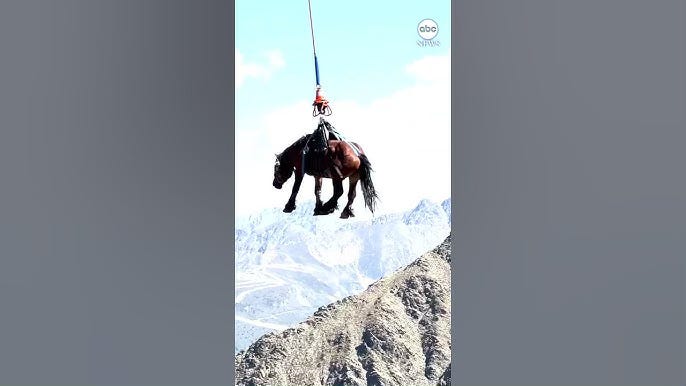
Two weeks ago, a horse went viral after it was airlifted from a mountainous region of the tiny European nation of Andorra. The horse was apparently stranded and injured, and firefighters and other emergency personnel secured it in a specialized sling before airlifting it to safety. At the time, I claimed I was this horse. And honestly, I still feel this way. It was taken to what I can only imagine is a deluxe equine veterinary facility to recover in what I hope are the Swiss Alps. Geographically this makes no sense. Spiritually, it does. I imagine the horse as an exhausted Victorian housewife who simply got fed up and needed a retreat at a sanitarium. And honestly, girl, I am right there with you.
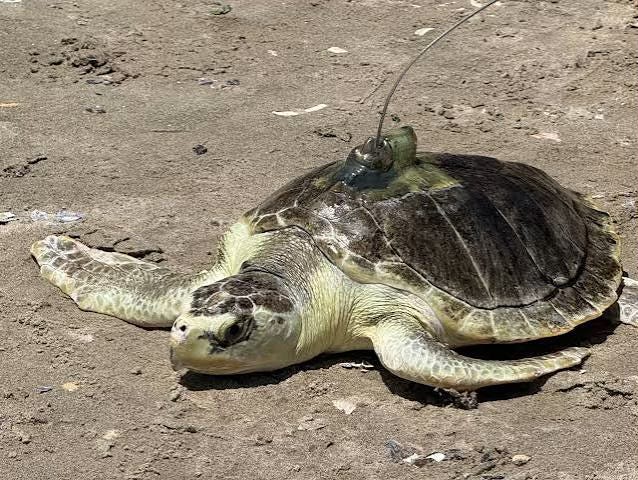
This week, Pancake, a sea turtle rescued near Cape Cod last November after nearly freezing to death from hypothermia, was released back into the ocean at Coney Island. A crowd of children, reporters, and onlookers cheered as Pancake made their triumphant crawl back into the Atlantic. Pancake, now fitted with a tiny camera, slowly dragged themselves across the sand one flipper at a time before disappearing into the ocean. I have decided Pancake is not a sea turtle at all, but simply someone who has reached the point of burnout where you are technically moving forward, but at a pace that concerns others. Frankly, same.
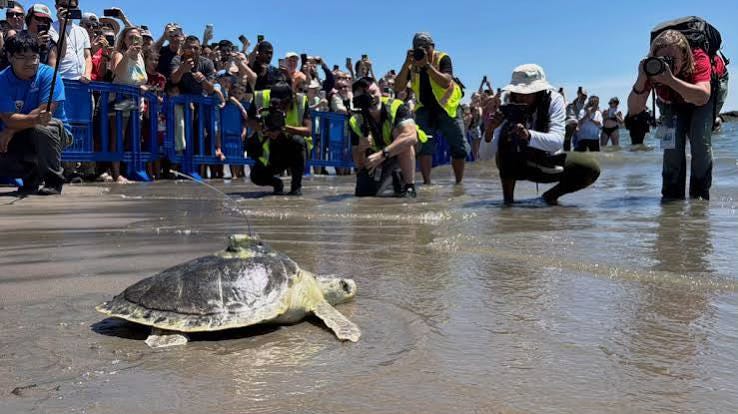
Pancake is also a Kemp’s ridley sea turtle, one of the smallest and most endangered sea turtle species. After washing ashore last year nearly frozen to death, Pancake spent months recovering with a team of marine biologists at the Atlantic Marine Conservation Society before finally making the journey home. In my mind, Pancake just completed a very expensive wellness retreat where everyone tells you to reconnect with yourself, drink more water, and journal before gently releasing you back into society with absolutely no plan for answering your emails.
We love this success story. We love Pancake. We love that dozens of summer campers gathered at Coney Island to cheer on one tiny turtle doing their absolute best. We are Pancake.
Hunter Biden’s Direct-to-Collector Era
This week Hunter Biden also decided to come back to the art market in a big way because apparently we learned absolutely nothing the first time he did this. He’s painting again, launched a Substack, and according to Page Six, is selling $54,000 paintings that come with a private video call. Daddy has officially lost track of what industry we’re in. Is this a gallery? Cameo? Patreon? A very expensive Zoom happy hour? Somewhere an art advisor is explaining that the call is “part of the work.”
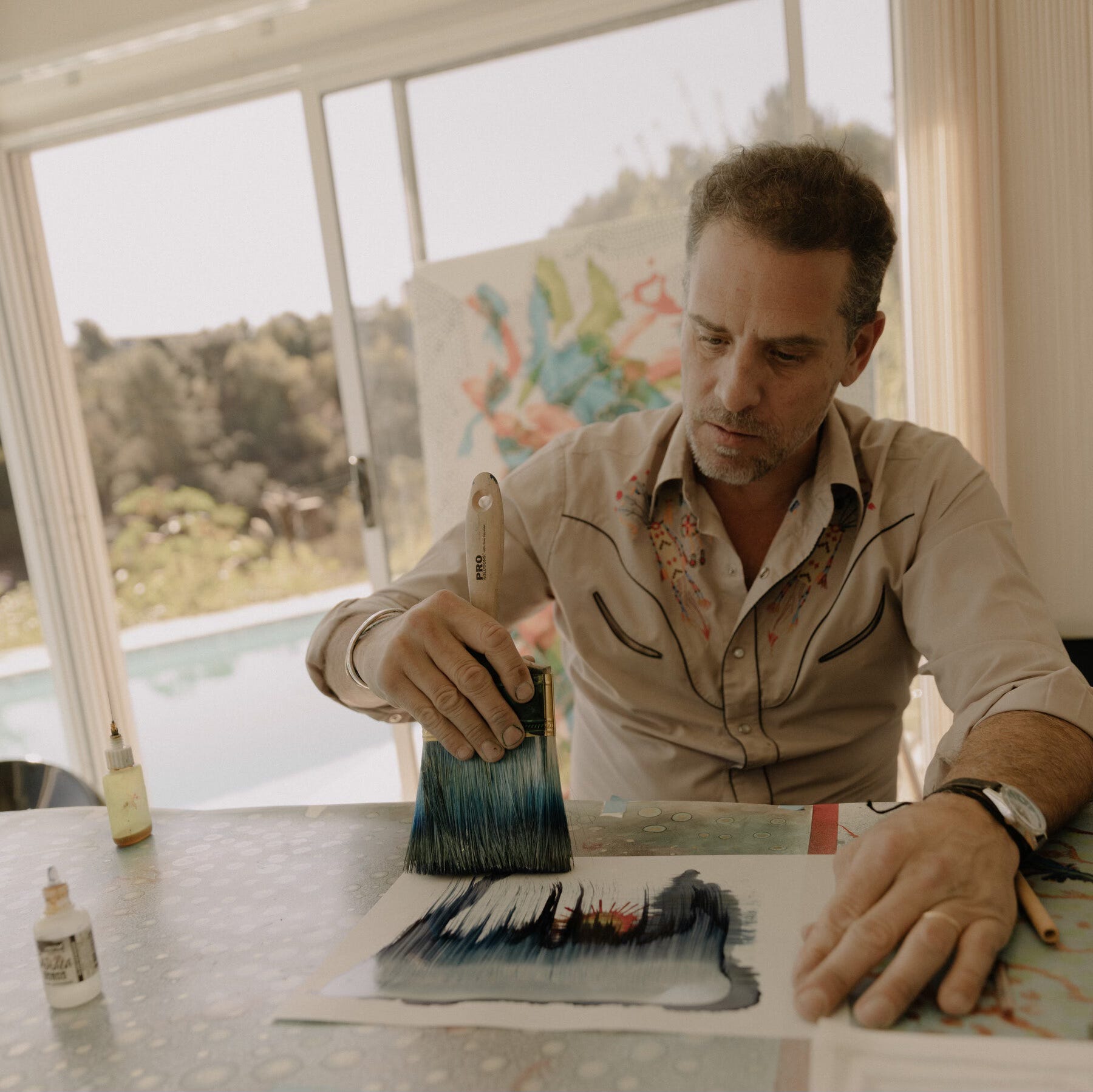
Honestly, Daddy almost has to respect the hustle. For years the art market has insisted it sells objects when it has always sold access. Studio visits. VIP dinners. Artist brunches. Collector trips. Private previews. Hunter Biden simply looked at the whole ecosystem and said, “What if I just put the access in the checkout cart?” Daddy may steal this idea and start offering private calls, but unlike Hunter, you won’t have to buy a $54,000 painting first.
Adam Lindemann and his Take on Mega Gallery Closures
Last week on Artnet, Adam Lindemann dropped an op-ed on the recent wave of gallery closures and, surprisingly, it’s pretty measured. First off, Daddy likes Adam. Daddy has written about Adam. Sometimes Daddy even pops off in Adam’s DMs.
Adam is a major collector, former gallery owner, and married to Amalia Dayan, so he’s hardly writing from the sidelines. Reading it, though, I couldn’t help but feel Adam wanted his own Marc Spiegler moment. The big industry op-ed. The essay everyone cites. The respected insider stepping back to explain what all of this means.
The problem is that Adam spends so much time explaining the business that he never really interrogates the people running it. Marc and Arne Glimcher don’t just emerge unscathed, they emerge as the people we’re supposed to learn from. That’s a remarkable trick. The architects of the mega gallery era are suddenly recast as its wisest commentators. Somewhere along the way, accountability gets replaced by analysis. And frankly, Adam, that’s what left me screaming.
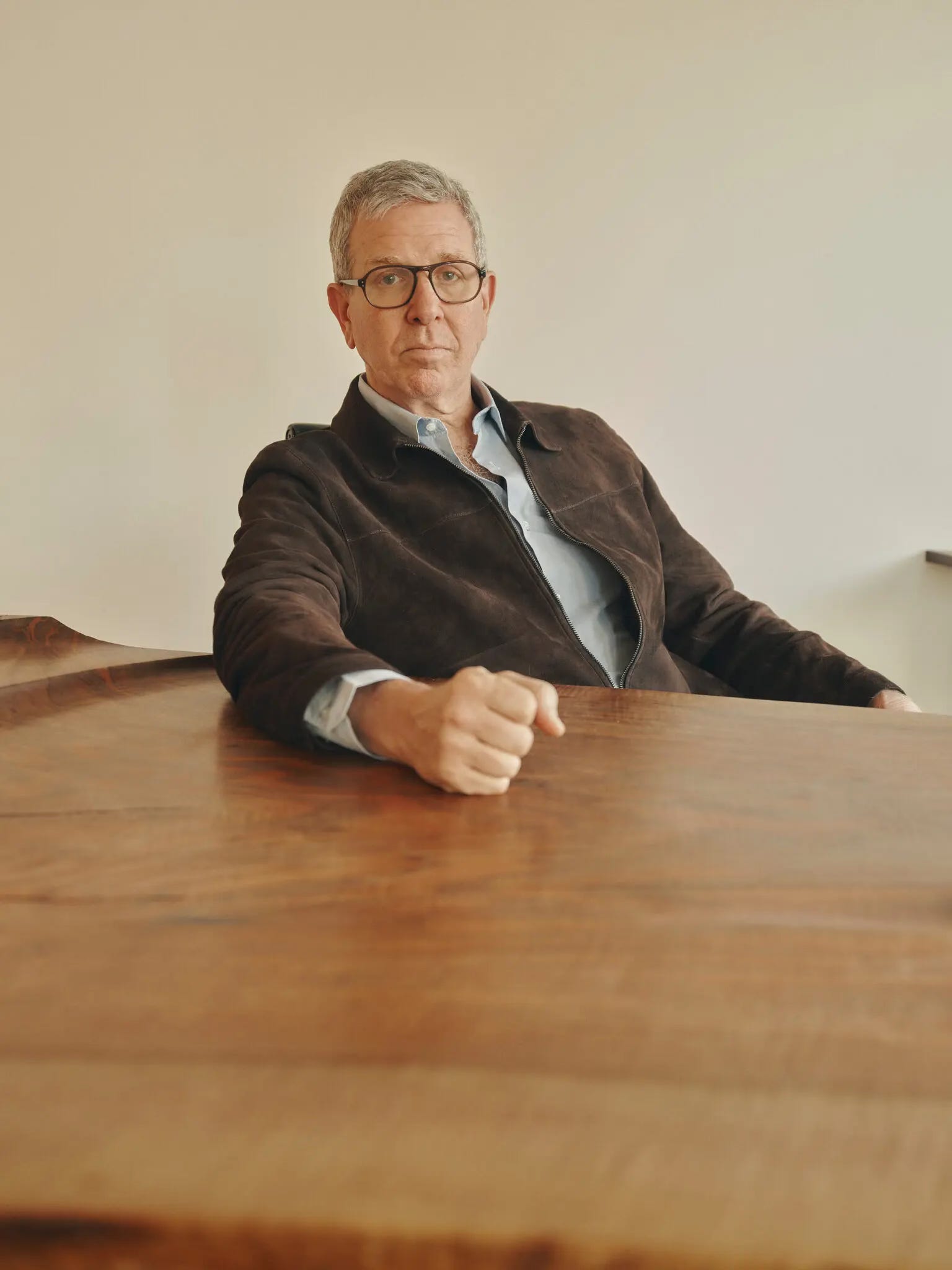
Marc Glimcher did not quietly announce layoffs and move on. He announced sweeping staff cuts and artist departures, then embarked on what felt like a media tour explaining why the mega gallery model had become “unfixable.” He wasn’t just firing people. He was shaping the narrative while it happened. By the time the interviews were over, the conversation had shifted away from the workers and artists who had just lost their jobs and toward Marc’s diagnosis of the industry’s problems. That’s a remarkable feat of narrative management, and Adam largely accepts it at face value instead of asking the more uncomfortable question: why should one of the architects of the mega gallery era also get to write its obituary?
That’s ultimately where Daddy parts ways with Adam. The entire piece reads like a business school case study. Markets soften. Companies downsize. Rosters get trimmed. But galleries are not just businesses. They’re cultural institutions built on relationships, labor, and power. If we’re going to write the definitive essay on the future of the mega gallery, maybe start with the people who paid for its expansion instead of the executives now explaining why it all had to happen.
David Zwirner Closes UES Location and Daddy Thinks its Sus
This week David Zwirner announced it would be closing its Upper East Side location after nine years in that ZIP code. The gallery framed the move as a strategic consolidation that shouldn’t set off any alarm bells. Daddy, however, couldn’t help but raise a perfectly groomed eyebrow.
Yes, Zwirner still has galleries in Paris, London, Hong Kong, Los Angeles, and multiple locations across New York City. On paper, the Upper East Side may seem redundant. But let’s not pretend this is just any address. For decades, the neighborhood has been synonymous with the blue-chip gallery world and leaving it is still a notable decision.
Earlier this week on Instagram, Daddy compared the news to your WASP father quietly selling his smaller country house. We stand by that analysis. He’s not selling the Manhattan townhouse. He’s not unloading the Palm Beach estate. The yacht is still docked. But when old money starts quietly trimming the property portfolio instead of expanding it, people notice.
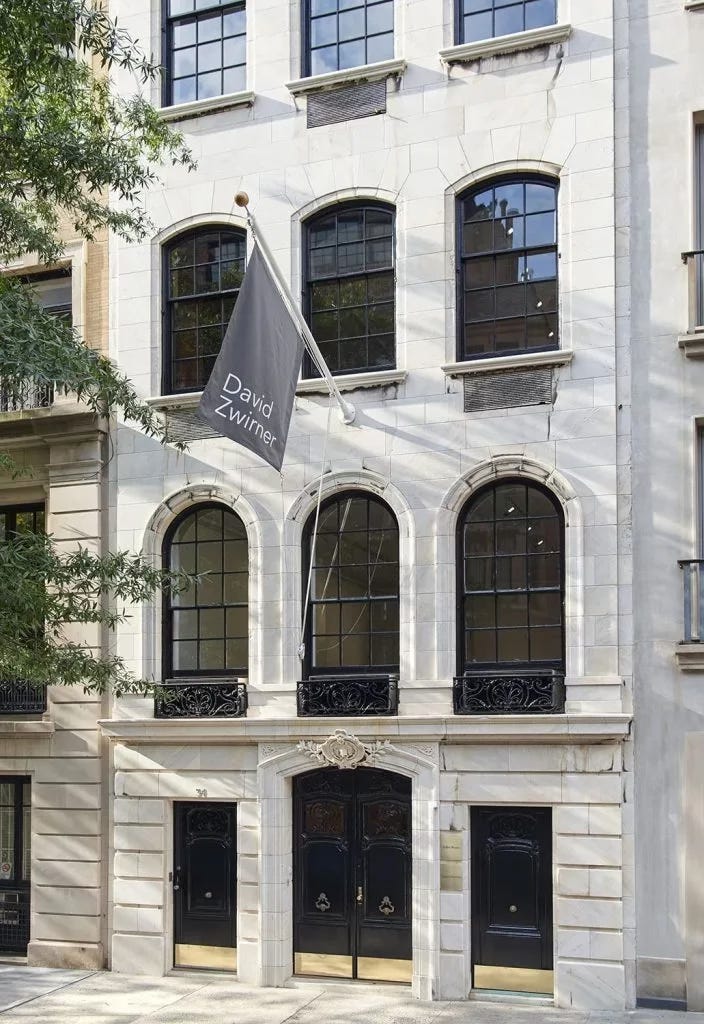
We’re not trying to be alarmist. We’re simply trying to give this announcement some context. Just six weeks ago, Pace laid off roughly 50 employees, parted ways with around 50 artists, and announced it was downsizing its London operations after Marc Glimcher declared the mega-gallery model “unfixable.” Now David Zwirner is downsizing in NYC.
Viewed on its own, this is a strategic business decision. Viewed alongside Pace, it starts to look like part of a broader shift. For decades, the mega-gallery playbook was simple: more locations, more staff, more artists, more cities. Increasingly, that strategy seems to be giving way to consolidation instead of expansion.
It’s been over a year since Daddy coined the phrase “Art Daddy Deathpocalypse,” and maybe it’s time for a small revision. Back then, the Deathpocalypse looked like layoffs, gallery closures, shrinking sales, and market panic. We treated it like one singular event. But maybe that was too simplistic.
Now the Deathpocalypse has entered a new cycle. Sometimes it arrives as a "strategic consolidation." Sometimes it's your WASP father quietly selling the smaller country house. Sometimes it's the biggest galleries in the world deciding they don't actually need quite so much empire. Daddy still thinks it's real. It just turns out every cycle of death looks a little different. And maybe, with Zwirner's downsizing, we're no longer planning the funeral. We're just getting fitted for our biodegradable mushroom death suits and consulting a death doula to help guide us through the transition.
